Why a Smartwatch Might Be the Best Safety Decision You Make
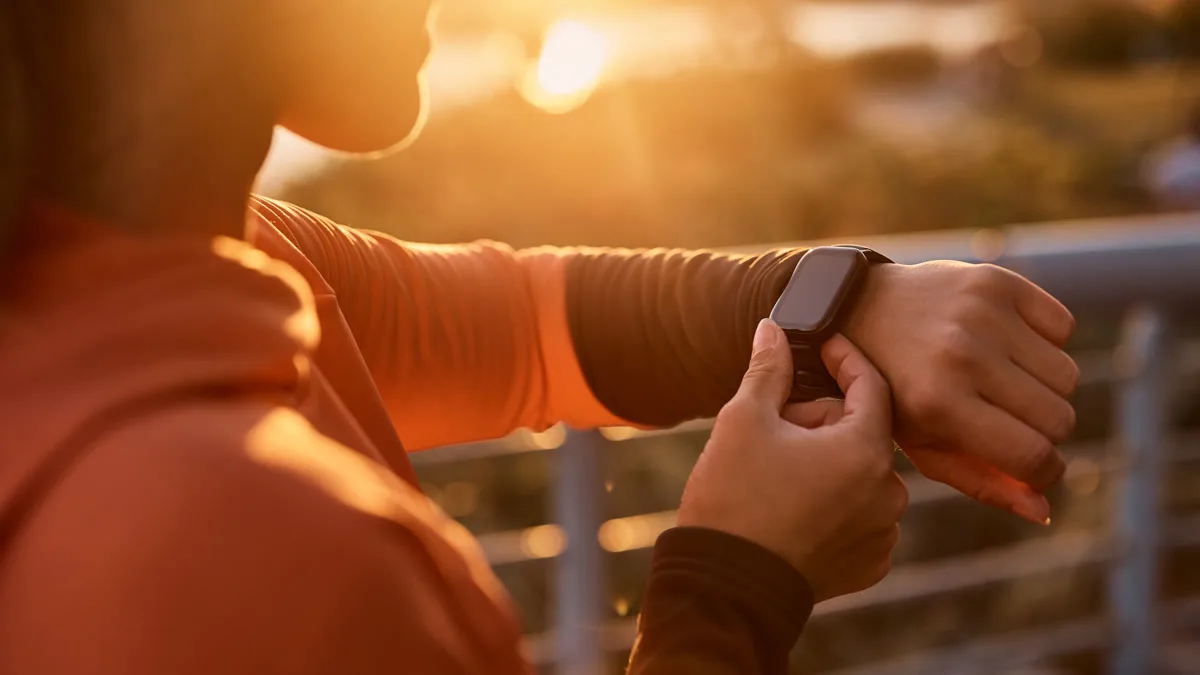
When we built Check In Circle, we had one question driving everything: how do we close the gap between something going wrong and someone finding out?
A phone app was the obvious starting point. But the more we talked to users - people who live alone, solo hikers, adult children watching over aging parents - the more we kept hearing the same thing: the phone isn’t always on me, or with the person I’m looking out for.
It’s on the counter while you’re in the yard. It’s in the other room while you’re in the shower. It’s in the car while you’re on a trail. The moments when you’re most vulnerable are often the moments when your phone is furthest away.
That’s why we brought Check In Circle to smartwatches. But honestly, the safety case for wearing one goes far beyond our app.
The Device That’s Always With You
Your phone lives in your pocket, your bag, or on a table somewhere. Your watch lives on your wrist. That distinction matters more than most people realize.
If you fall in the kitchen, your watch is there. If you’re hiking and twist an ankle two miles from the trailhead, your watch is there. If you’re swimming, biking, running, sleeping - your watch is there. It’s the only connected device that’s genuinely with you for almost every waking hour.
For anyone whose safety depends on being reachable or being able to call for help, that’s not a feature. That’s the whole point.
Fall Detection: The Feature Nobody Thinks They Need
Both Apple Watch and most Wear OS watches now include fall detection. The watch uses its accelerometer and gyroscope to recognize the specific motion pattern of a hard fall. If it detects one and you don’t respond within about a minute, it automatically calls emergency services and shares your location.
This sounds like a feature for elderly people. It isn’t. Falls are the leading cause of injury-related death for adults over 65, yes - but they’re also a real risk for:
- Solo hikers and trail runners on uneven terrain
- Cyclists on roads or mountain trails
- People who live alone in homes with stairs, bathtubs, or ladders
- Anyone with a medical condition that could cause sudden loss of consciousness
The difference between a fall with someone nearby and a fall alone is enormous. Fall detection turns your watch into the someone nearby.
Heart Rate Monitoring and Health Alerts
Modern smartwatches continuously track your heart rate and can alert you to irregularities. Apple Watch can detect atrial fibrillation. Many Wear OS watches monitor for abnormally high or low heart rates. Some newer models track blood oxygen levels, skin temperature, and even early signs of respiratory illness.
For people who are active, this is useful data for optimizing training. But for people who live alone, it’s something more fundamental: an early warning system.
A heart rate spike during sleep. An irregular rhythm you wouldn’t have noticed. A blood oxygen drop that suggests something is off. These are the quiet signals that, without a device on your wrist, would go completely unnoticed until they became an emergency.
Emergency SOS
Every Apple Watch and most Wear OS watches with cellular capability let you call emergency services directly from your wrist. Press and hold the side button (Apple Watch) or use the SOS tile, and you’re connected to 911 or your local emergency number - even if your phone is nowhere near you.
For solo travelers, this is huge. For people who run alone at 5am, this is huge. For anyone who’s ever been in a situation where they couldn’t get to their phone, this is the feature that changes the math.
Cellular-enabled watches also let you make calls and send texts without your phone nearby. That means even if your phone is dead, lost, or out of reach, you’re still connected.
Fitness Motivation (The Bonus That Keeps You Safer)
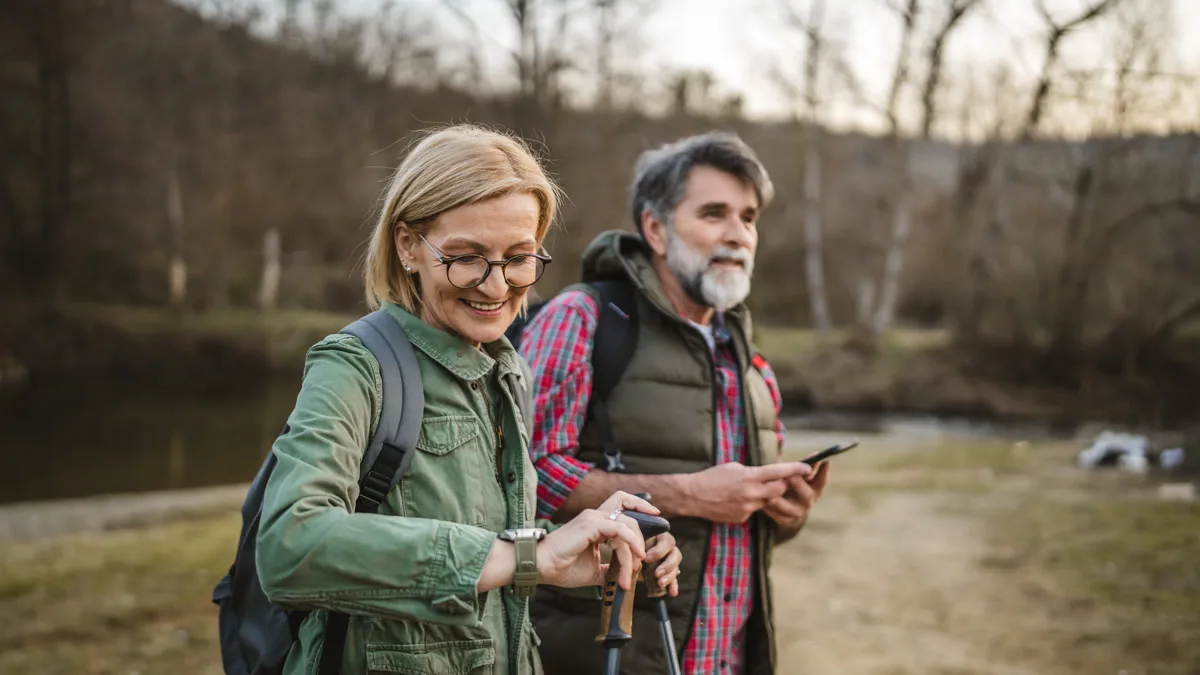
Here’s the thing about safety: the healthier and more active you are, the less likely you are to need the emergency features. And smartwatches are genuinely good at keeping people moving.
The gamification works. Close your rings. Hit your step goal. Maintain a streak. It sounds simple because it is, and that’s why it’s effective. People who wear fitness trackers consistently walk more, exercise more, and are more aware of their activity levels than people who don’t.
For people who live alone, this matters. Staying active reduces fall risk, improves cardiovascular health, strengthens bone density, and helps with mental health. The watch that detects your fall is the same watch that’s been keeping you active enough to avoid one.
Sleep Tracking
This one is underrated for safety. Modern smartwatches track your sleep stages, duration, and consistency. Over time, they build a picture of your normal patterns.
Why does this matter for safety? Because sudden changes in sleep patterns are one of the earliest indicators of health problems - from depression to cardiac issues to medication side effects. If you live alone, nobody else notices that you’ve been sleeping twelve hours a day or waking up six times a night. Your watch does.
GPS and Location Sharing
Most smartwatches include GPS, which means they can track your route during outdoor activities and share your location with trusted contacts. For hikers, runners, and cyclists, this is a practical safety feature: if something happens, your people know where you were.
Some watches also support breadcrumb navigation - recording your route so you can retrace your steps. If you’ve ever been on a trail that forked in a direction you didn’t expect, you know how valuable that is.
So Which Watch Should You Get?
This depends on your phone. The ecosystems don’t cross over well, so pick the one that matches your device.
Some links below are affiliate links. We may earn a small commission at no extra cost to you.
If You Have an iPhone
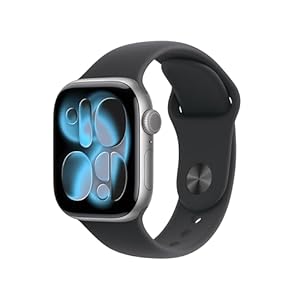
Apple Watch Series 11 - The current standard. Fall detection, crash detection, heart rate monitoring, ECG, blood oxygen, temperature sensing, always-on display. Starts at $399. This is the one most people should get.
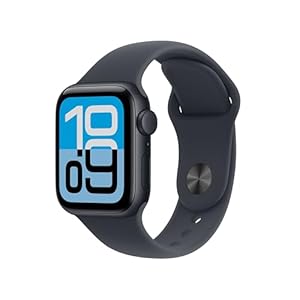
Apple Watch SE 3 - The essentials at a lower price. Fall detection, crash detection, heart rate monitoring, emergency SOS. Skips ECG and blood oxygen but keeps the safety features that matter most. Starts at $249. Best value pick for anyone focused on safety over fitness metrics.
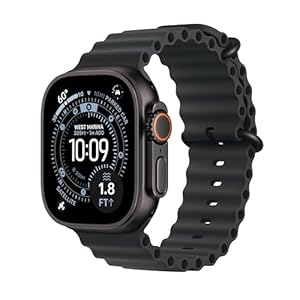
Apple Watch Ultra 3 - Built for extreme outdoor use. Everything in the Series 11 plus a longer battery, brighter display, depth gauge, precision GPS, and a hardware Action button. Starts at $700. Worth it for serious hikers, divers, and endurance athletes who need multi-day battery.
If You Have an Android Phone
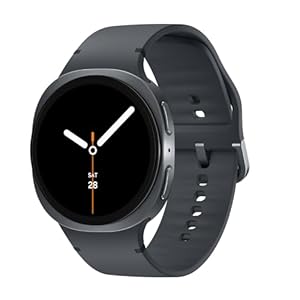
Samsung Galaxy Watch8 - Samsung’s latest. Fall detection, heart rate monitoring, ECG, blood pressure monitoring (with calibration), body composition, sleep tracking. The best hardware sensor suite on Android. Works with any Android phone but the deepest features require Samsung. Starts at $370 for the 44mm LTE model.
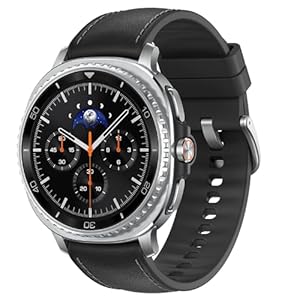
Samsung Galaxy Watch8 Classic - Same internals as the Watch8 with a rotating bezel for navigation and a more traditional watch design. Starts at $420 for the 46mm LTE model.
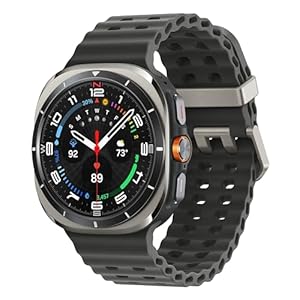
Samsung Galaxy Watch Ultra (2025) - The outdoor-focused option. Everything in the Watch8 plus a bigger, brighter display, longer battery, titanium case, and a customizable Quick Button. Starts at $650. Samsung’s answer to the Apple Watch Ultra.
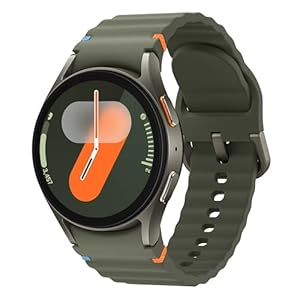
Samsung Galaxy Watch7 - Previous generation, still available and a solid budget pick. Fall detection, heart rate monitoring, sleep tracking, ECG. Starts at $250 for the 40mm WiFi model.
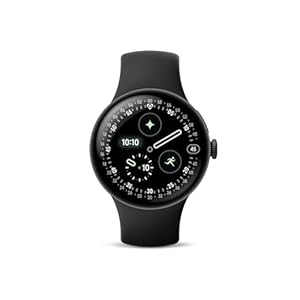
Google Pixel Watch 4 - Google’s latest, and arguably the most safety-focused Android watch available. Fall detection, car crash detection, heart rate monitoring, skin temperature sensing, sleep tracking, and Fitbit integration. The standout safety features: Loss-of-Pulse Detection (detects cardiac arrest and auto-calls emergency services), satellite SOS (call for help off-grid without your phone), and Safety Check (set a timer when you’re out alone - if you don’t check in, your location is shared with emergency contacts). Dual-frequency GPS for accurate tracking even in dense urban or forested areas. Up to 40 hours of battery. Starts at $349 for 41mm, $399 for 45mm, with a $100 add for LTE and satellite SOS. Works with any Android phone but pairs best with Pixel devices.
A Note on Cellular
All the watches above come in GPS-only and cellular models. The cellular version costs about $50-100 more, plus a monthly plan from your carrier (usually $10/month). If your primary reason for getting a watch is safety, get the cellular model. The whole point is that it works when your phone doesn’t.
Why We Built Check In Circle for Watches
All of these features are powerful on their own. But they’re all reactive - they kick in after something goes wrong. Fall detection activates after you fall. Emergency SOS works after you press the button. Heart alerts fire after an irregularity is detected.
A daily check-in is proactive. It’s a quiet signal, every day, that says “I’m here, I’m fine.” And if that signal doesn’t come, your people know before any emergency feature has to activate.
From your wrist, it takes one tap. You can also snooze a check-in if you know you’ll be off-grid. Everything syncs back to your phone. Your trusted contacts never need the app or the watch - they get notified by text or email, the same as always.
We built the watch app because the best safety device is the one you never take off. And for a growing number of people, that’s the thing on their wrist.
Check In Circle is available on iPhone, iPad, Apple Watch, Android, Wear OS, and tablets. One tap a day - from whichever device is closest. Learn more